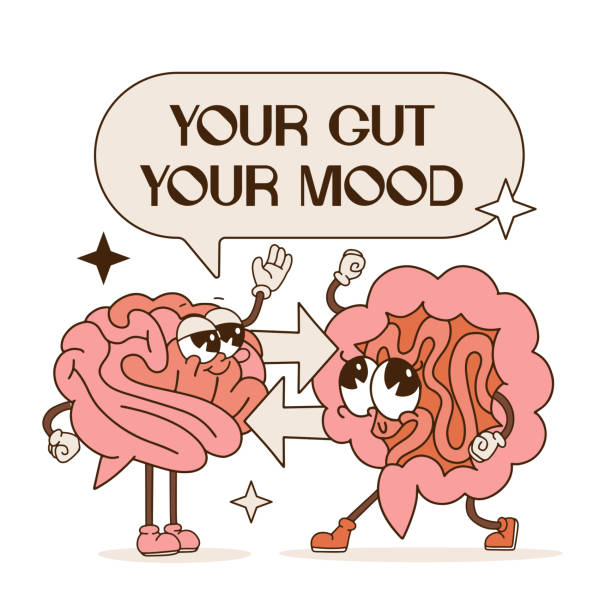
It’s fascinating how often our gut feelings turn out to be right — and science now backs that intuition. The gut and brain are deeply connected through a complex communication network known as the gut-brain axis. This two-way system links your digestive system with your central nervous system, meaning what you eat doesn’t just fuel your body — it shapes your mood, energy, and emotional well-being.
Understanding the Gut-Brain Axis
Your gut is home to trillions of bacteria, collectively known as the gut microbiome. These microorganisms play a vital role in digestion, immune function, and even the production of neurotransmitters like serotonin — the “feel-good” chemical responsible for regulating mood and happiness.
In fact, around 90% of serotonin is produced in the gut, not the brain. When your gut is healthy and balanced, your mind often follows suit. But when gut health is compromised by poor diet, stress, or antibiotics, it can lead to inflammation and disruptions in mood, often manifesting as anxiety, depression, or fatigue.
How Nutrition Impacts Mental Health
The foods you eat directly influence the health of your gut bacteria — and in turn, your brain chemistry. Diets rich in whole, unprocessed foods support beneficial bacteria, while processed and high-sugar diets feed the harmful ones.
1. Probiotics and Fermented Foods
Probiotic-rich foods like yogurt, kefir, sauerkraut, and kimchi contain live bacteria that help repopulate your gut microbiome. Regular intake supports improved digestion, reduced inflammation, and enhanced mood stability.
2. Prebiotics: Food for Good Bacteria
Prebiotics are dietary fibers that feed your healthy gut bacteria. They’re found in foods like garlic, onions, bananas, oats, and asparagus. A diet rich in prebiotics helps sustain gut balance and promotes serotonin production.
3. Omega-3 Fatty Acids
Omega-3s found in fatty fish, flaxseeds, and walnuts have anti-inflammatory properties and support brain cell communication. They’ve been shown to reduce symptoms of depression and anxiety naturally.
4. Limit Processed Foods and Sugar
Refined carbs and sugary foods can disrupt the gut microbiome and lead to inflammation, which negatively affects brain health. Reducing sugar intake supports both mental clarity and emotional balance.
Signs Your Gut May Be Affecting Your Mental Health
- Frequent bloating, constipation, or digestive discomfort
- Low mood or unexplained anxiety
- Brain fog or difficulty concentrating
- Fatigue despite adequate rest
- Cravings for sugar or processed foods
Steps to Support a Healthy Gut-Brain Relationship
- Eat Whole Foods: Focus on vegetables, fruits, lean proteins, and healthy fats.
- Include Fermented Foods Daily: Even a few spoonfuls of yogurt or kimchi can make a difference.
- Stay Hydrated: Water supports digestion and nutrient absorption.
- Manage Stress: Chronic stress disrupts gut bacteria and increases inflammation.
- Sleep Well: Quality sleep allows both your gut and brain to restore balance.
Frequently Asked Questions
Can gut health really impact mental health?
Absolutely. A healthy gut promotes neurotransmitter balance and reduces inflammation, which directly supports mood and mental clarity.
Should I take probiotic supplements?
While probiotics can help, it’s best to start with whole foods and consult a nutritionist for personalized guidance.
How soon will I notice changes?
Most people feel improvements in digestion and energy within 2–3 weeks of dietary changes, and mood benefits often follow shortly after.
How does gut health affect mental health?
Your gut and brain communicate through the gut–brain axis. Gut bacteria influence mood, stress response, inflammation, and even neurotransmitter production. When the gut is imbalanced, mental symptoms may appear or worsen.
Conclusion
Your gut is often called your “second brain” for a reason — it’s deeply tied to your mental health, emotions, and overall well-being. By nourishing your body with the right foods and cultivating a healthy microbiome, you support not only digestion but also a calmer, clearer, and more balanced mind.
← Back to Blog